A merino shirt that feels exceptionally soft in the store often starts pilling at the underarms before its third wash because the fibres that create that plush texture are structurally prone to tangling. The specifications brands highlight as quality signals actually obscure the single construction detail that predicts how long the garment will survive daily wear.
Micron count and fabric weight dominate merino marketing, yet they do not dictate durability in the way most buyers assume. The actual lifespan depends on how those two metrics interact with the shirt’s construction type, a detail that determines whether the fabric fails by surface pilling or structural seam stress.
The Lifespan Assessment
- Core finding: Micron count and fabric weight do not predict longevity in isolation, because their interaction with the construction type dictates whether the shirt fails by surface pilling or seam stress.
- Brand comparison: Public specifications document that a fine 17.5-micron merino woven at 170+ GSM can outlast a 19.5-micron mid-weight jersey knit by a factor of two or more.
- Practical takeaway: Certification logos like RWS or ZQ verify animal welfare and traceability, but they provide zero data on how many wears the fabric will endure before visible degradation.
An everyday merino shirt typically sits in the £60 to £250 price range, featuring a fabric weight between 150 and 220 GSM and a fibre diameter from 15.5 to 22 microns. Within those standard parameters, the construction type is the specific variable that shifts exactly where and how the garment eventually breaks down.
The relationship between micron count and what actually fails first
Micron count measures the physical diameter of individual wool fibres, meaning lower numbers indicate thinner and softer strands. The typical shirting range spans from an ultra-fine 15.5 microns up to 22 microns, and while buyers often assume a lower count guarantees a longer-lasting garment, the material science points in the opposite direction.
The micron count actually governs the number of fibre ends exposed at the yarn surface, because finer strands pack more densely into each cross-section and create more scale edges per unit length. Under the friction of daily wear, those abundant loose ends migrate and tangle into pills, whereas mid-micron fibres feature a coarser scale structure that keeps more strands anchored in the yarn. The trade-off is that finer fibres feel undeniably softer against the skin, which is precisely why that same softness makes them more vulnerable to surface degradation.

Why finer fibers pill faster despite feeling better
Pilling is a natural mechanical behaviour of fine animal fibres rather than an indicator of poor manufacturing quality. The Woolmark fibre science guide documents that finer diameters increase the density of surface scale edges, giving a 17.5-micron yarn roughly 20 percent more fibre tips per cross-section than a 19.5-micron yarn of the same weight. Those extra tips work loose under abrasion, which is why shirts in the 18 to 22 micron range typically show visible pilling much later than their softer counterparts.
Owners of fine merino jersey T-shirts often notice pilling concentrated at the underarms and sides within the first eight to ten wears. The open loop structure of the jersey knit allows that high number of fine fibre ends to migrate freely with every arm movement, tangling the soft surface the buyer originally paid for.
How GSM changes the failure mode from surface pilling to structural stress
GSM measures the fabric weight and density in grams per square metre, ranging from a lightweight 150 GSM for summer base layers up to a dense 220 GSM that packs significantly more yarn mass into the weave. The relationship between this weight and longevity is not straightforward, because a higher GSM suppresses one type of failure while actively inviting another.
At lower weights between 150 and 180 GSM, the fabric lacks the yarn mass to anchor fibres securely, so surface migration and pilling begin much earlier. As the density rises past 190 GSM, the tighter construction traps fibres effectively but transfers abrasion forces directly to the yarn intersections and seams. This shifts the failure mode from underarm pilling to structural thinning at the shoulders, meaning a heavy shirt can still reach the end of its lifespan from seam stress if the construction cannot handle the load.
The woven versus jersey distinction that most guides miss
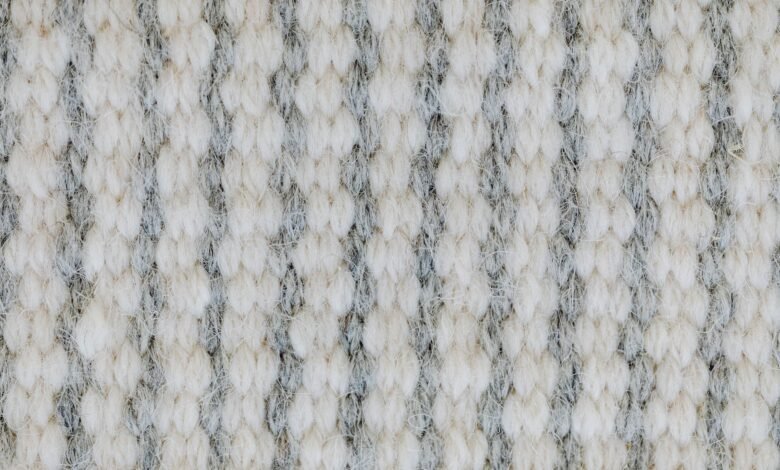
The construction type dictates exactly how the yarns are arranged and how they respond to repeated friction. Woven merino interlaces yarns at right angles to create a stable, low-stretch grid that physically traps fibres, allowing a woven shirt at 170+ GSM to significantly outlast a jersey knit of the exact same micron count.
Jersey knits rely on interlocking loops that provide stretch and drape, but those same loops offer an easy path for fibre ends to work loose and pill visibly. Interlock knits sit in the middle with a tighter, double-faced structure that delays pilling compared to a standard jersey at the same weight. For everyday wear where longevity matters, woven or tightly spun constructions outperform standard jersey knits at almost every micron count.

The brand quality tier comparison: what publicly available specifications actually show
Reviewing public product pages reveals a clear pattern where entry-level shirts rarely state their micron count and almost always rely on a lightweight jersey knit. Mid-premium options typically disclose both metrics and carry welfare certifications, while premium woven shirts publish ultra-fine specifications alongside dual credentials. The table below organises these tiers into construction profiles, using approximate wear ranges drawn from fibre research since lab-tested durability data is rarely published.
| Price tier | Micron count (where disclosed) | GSM | Construction type | RWS / ZQ status | Predicted pilling onset cycle range | Estimated wears before visible surface degradation |
|---|---|---|---|---|---|---|
| Entry-level | Often undisclosed (estimated 20–22 micron) | 150–180 | Jersey knit | Rarely disclosed | ~3–8 washes | ~30–50 wears |
| Mid-premium | 17.5–19.5 micron | 180–220 | Jersey or interlock knit | Often RWS or ZQ | ~8–15 washes | ~60–100 wears |
| Premium woven | 15.5–17.5 micron | 170–200+ | Woven (twill or plain weave) | Often RWS and/or ZQ | ~15–25+ washes | ~120–200+ wears |
These estimated wear ranges reflect how the combination of micron count, fabric weight, and construction type alters the likely point of visible degradation. The premium woven shirt reaches the highest wear count because its tight weave traps fibres and shifts structural failure to the seams, where damage takes much longer to become obvious.
Why the same micron count performs differently in different constructions
A 17.5-micron merino in a woven dress shirt at 180 GSM typically outlasts the exact same fibre in a 160-GSM jersey knit by a considerable margin. The weave cuts the surface abrasion that triggers pilling, while the higher weight supplies more yarn mass to absorb wear before the fabric thins. This non-linear relationship means a slightly coarser 19.5-micron fibre in a dense interlock knit can actually outlast a finer woven shirt, a mechanical reality that brand marketing rarely explains.
Inspect the fabric surface before purchasing to identify whether the yarns form visible grid-like intersections or interlocking loops. That single structural check documents more about long-term durability than the micron count printed on the hang tag.
What RWS and ZQ certification actually tells you — and what it does not
The Responsible Wool Standard certifies that wool comes from farms meeting specific animal welfare and land management requirements, ensuring traceability from the farm to the finished product. ZQ Merino adds environmental and social criteria to its on-farm certification, but both standards focus entirely on how the wool is grown and tracked rather than how the fabric performs under physical wear.
Neither standard requires pilling tests, Martindale abrasion evaluations, or any mechanical durability assessments, meaning a certified jersey knit will pill at the exact same rate as an uncertified one of identical construction. The logos confirm ethical provenance rather than longevity, so if a brand displays them while hiding the micron count and fabric weight, you are buying an animal-welfare promise instead of a verifiable durability signal.
Where most guides get this wrong
Most buying advice treats micron count as a simple rule where lower is always better, while framing fabric weight purely as a warmth indicator. Neither assumption captures the mechanical interaction that governs lifespan, because a lower micron count simply yields a softer fabric that pills sooner under abrasion. Similarly, extra weight in a loosely constructed knit just provides more yarn mass to migrate and tangle, without meaningfully extending the total wear lifespan.
Guides recommending a universal threshold ignore the fact that a 19.5-micron woven shirt at 180 GSM often outlasts a heavier knit, simply because the weave structure suppresses pilling more effectively than extra bulk can. The critical variable is always the construction type holding those fibres in place during the repeated friction of daily wear. The failure mode shifts depending on that specific combination, and the total ownership lifespan shifts right along with it.
The brand comparison table: what the numbers tell you about real-world wear
The following table translates those construction-tier profiles into cost-per-wear estimates to illustrate the underlying ownership economics. These figures are approximate ranges built on fibre research, meant to document the financial reality of different construction types rather than promise an exact lifespan for a specific shirt.
| Price tier | Typical construction | Approx. wears | Approx. cost per wear |
|---|---|---|---|
| Entry-level (~£80) | Jersey knit, undisclosed micron | 30–50 wears | £1.60–£2.67 |
| Mid-premium (~£180) | Jersey or interlock, 17.5–19.5 micron | 60–100 wears | £1.80–£3.00 |
| Premium woven (~£250) | Woven, 15.5–17.5 micron | 120–200+ wears | £1.25–£2.08 |
The premium woven shirt typically lands at a lower cost per wear than the mid-premium jersey despite its higher upfront price. This inversion happens because the woven construction pushes visible degradation further out, keeping the garment in active rotation longer before it reaches the repair threshold. Over a two-year period, that structural advantage allows the premium shirt to cost less per wear than a jersey alternative that requires replacing twice.
The Investment Threshold
The actual longevity of a merino shirt is dictated by the interaction between its micron count, fabric weight, and construction type rather than any single metric in isolation. Prioritising woven or tightly spun interlock constructions over standard jersey shifts the failure mode from early surface pilling to later seam stress. This structural choice extends the usable life and reduces the cost per wear, even when the initial price tag is higher.
Frequently Asked Questions
Does a 17.5-micron merino shirt last longer than a 19.5-micron one?
A 19.5-micron woven shirt often outlasts a 17.5-micron jersey because the tight weave suppresses pilling far more effectively than the finer fibre’s softness advantage can prevent it. The physical construction type almost always matters more than a small difference in micron count.
Is a higher GSM always better for merino shirt longevity?
A heavier fabric weight reduces surface pilling but simultaneously shifts mechanical stress to the seams and high-friction wear points. In a loose knit, extra weight simply provides more yarn mass to tangle and pill, meaning durability only improves when a higher GSM pairs with a dense weave or tight construction.
Does RWS or ZQ certification tell me anything about how long the shirt will last?
These certifications verify animal welfare, environmental management, and supply chain traceability, but they do not test or guarantee pilling rates and abrasion resistance. The logos confirm ethical sourcing practices rather than the physical wear lifespan of the garment itself.
Should I buy a woven merino shirt or a knit merino shirt for everyday wear?
Woven merino traps fibres in a stable grid that delays pilling and surface degradation far longer than the open loops of a standard jersey knit. Interlock knits offer a middle ground, but woven constructions consistently outperform them for a daily shirt that must maintain a clean appearance wash after wash.